 Timur Brachkow
 "everyone is founder" and entrepreneurial immaturity
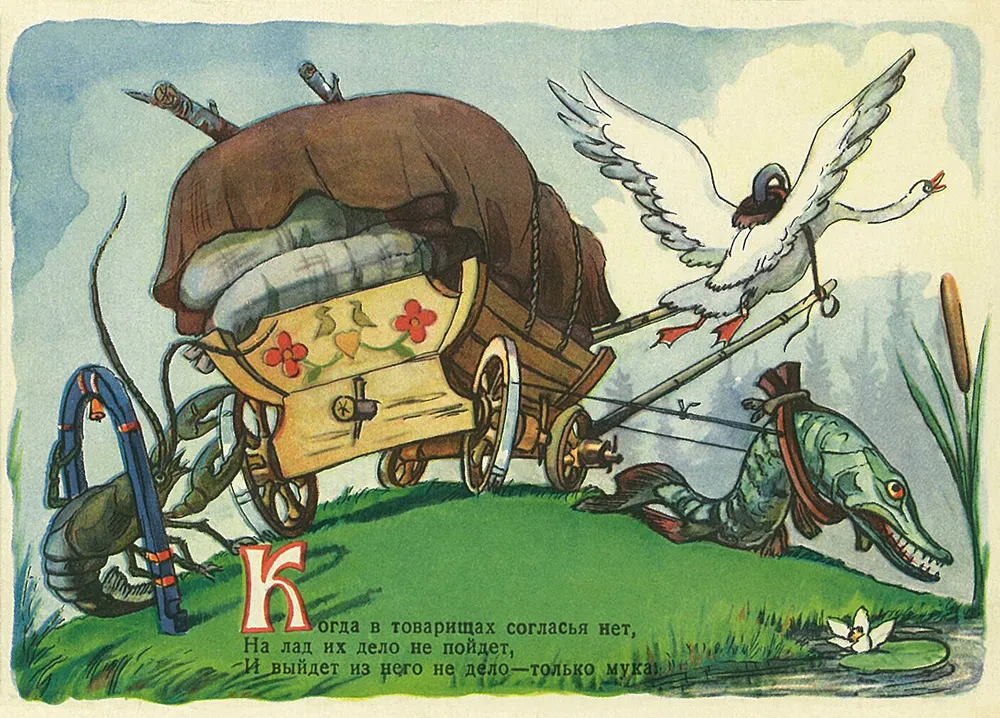
One of the main red flags in startups for me is the desire to build a work model where everyone is a founder. I see this quite often among inexperienced founders and various controversial personalities.
What This Model Looks Like
They believe they can offer their employees equal status: the right to propose ideas, fully participate in the product, have equity, and collectively steer the product’s direction. Income is tied to contribution, and results are shared among everyone. To someone unfamiliar with startup dynamics, this sounds very appealing. In reality, it’s a deeply flawed idea.
Why “Everyone Is a Founder” Doesn’t Work
A product needs a single leader — someone who holds the vision in their head and pushes that vision forward in a fairly authoritarian way. Obviously, everyone else on the team will have their own vision and opinions. In some cases, those ideas may even be better than the founder’s. But in practice, people start pulling the product in different directions.
The absence of clear authority with final decision-making power is extremely harmful to collaboration. You simply end up in a constant state of disagreement.
The Root Cause: Entrepreneurial Immaturity
This work model is closely tied to entrepreneurial immaturity. These are people who want to be CEOs, who want to be bosses, but don’t have enough capital or strong enough ideas yet. Instead of acknowledging that, they create unconventional work models.
The core reason entrepreneurs earn money from the labor of regular workers is risk. Workers either can’t or don’t want to take on those risks. The entrepreneur takes them on — and that’s why they earn their share.
Immature entrepreneurs want to split the risks while keeping the income. You very often see situations like: “we’ve got a cash flow gap,” but the business owners are living beyond their means with no savings, and employees get sent on unpaid leave.
The “everyone is a founder” idea becomes a way to spread responsibility: “we don’t have money because we’re a team and we all struggled together.”
Yet there’s almost always a “main founder” — usually the person who started this and came up with the model. So authority still exists, but responsibility has been diluted.
What Actually Works: Horizontal Companies
I’m not claiming that only rigidly hierarchical companies work. Horizontal companies do work — but they’re fundamentally different.
A horizontal company is one where every employee has a high degree of autonomy and freedom in decision-making. People don’t constantly run upstairs asking what to do. They act independently. If someone higher up later says, “you messed this up,” the person accepts the authority and fixes it. But overall, no one is micromanaging them.
How to Make Horizontal Companies Work
The real challenge is sustaining initiative in a horizontal company. You can put someone into such an environment, and they simply won’t take initiative. Why should they? They get no clear benefits from it.
There are two key factors:
First, not every company can be horizontal. If you need hundreds or thousands of employees, you won’t find that many people capable of working autonomously.
Second, you must clearly and transparently show the benefits of being proactive. Don’t dismiss every proposal people bring you. Demonstrate that you care about letting people work without constantly worrying about side issues. Proactively raise salaries when you see someone creating real value — not only when they ask for it, and only when it makes sense.
Create a clear link between initiative and outcome. People understand that their activity doesn’t go unnoticed. That works.
Key Takeaways
- The “everyone is a founder” model is a red flag that signals entrepreneurial immaturity
- Products need a single vision-holder with clear decision-making authority to avoid constant disagreement
- This model often disguises an unwillingness to take on real entrepreneurial risk while still wanting the rewards
- Horizontal companies can work, but they’re different: they require autonomous employees and clear incentives for initiative
- Not every company can be horizontal — it requires finding people capable of working independently
- The key to successful horizontal structures is transparently linking initiative to tangible outcomes and rewards